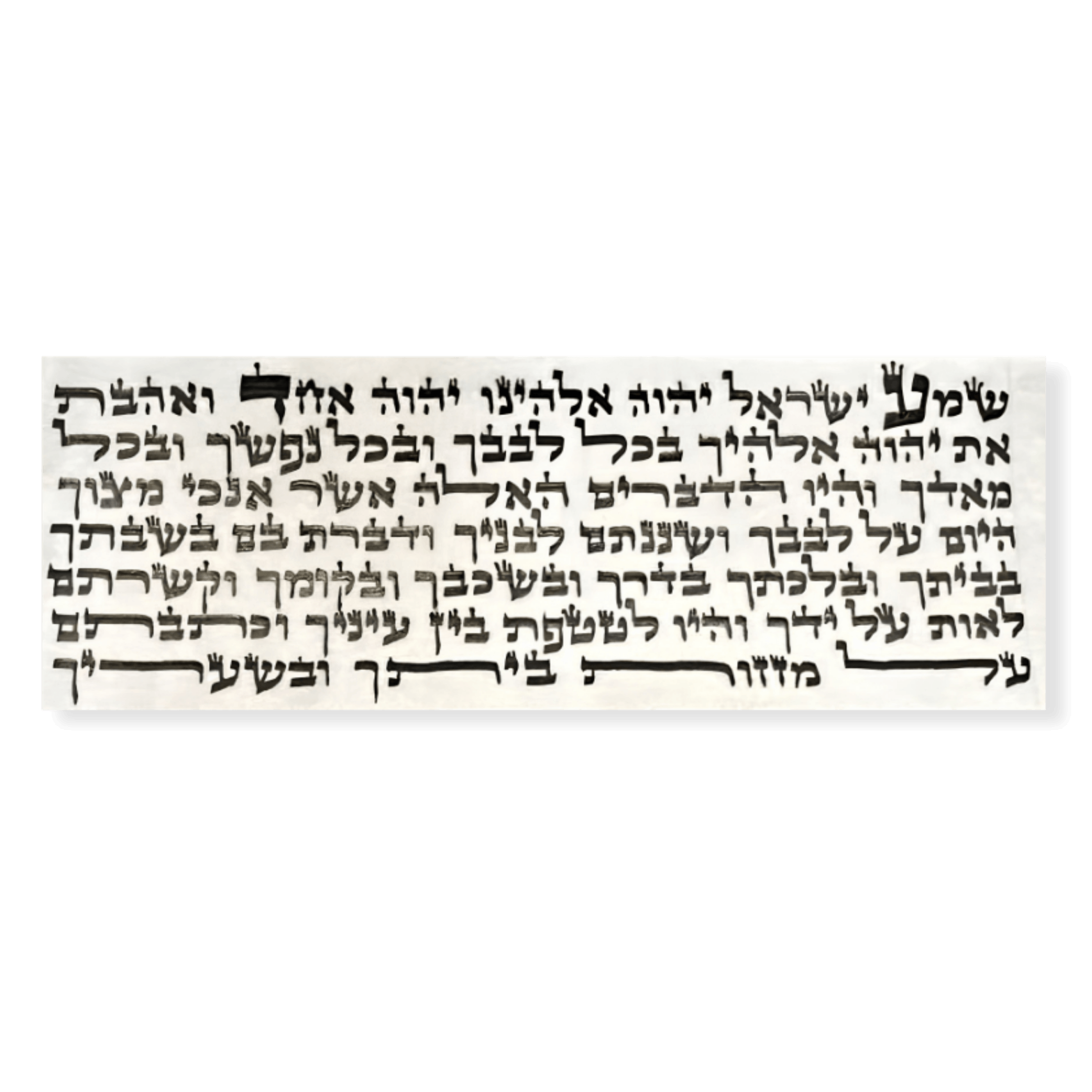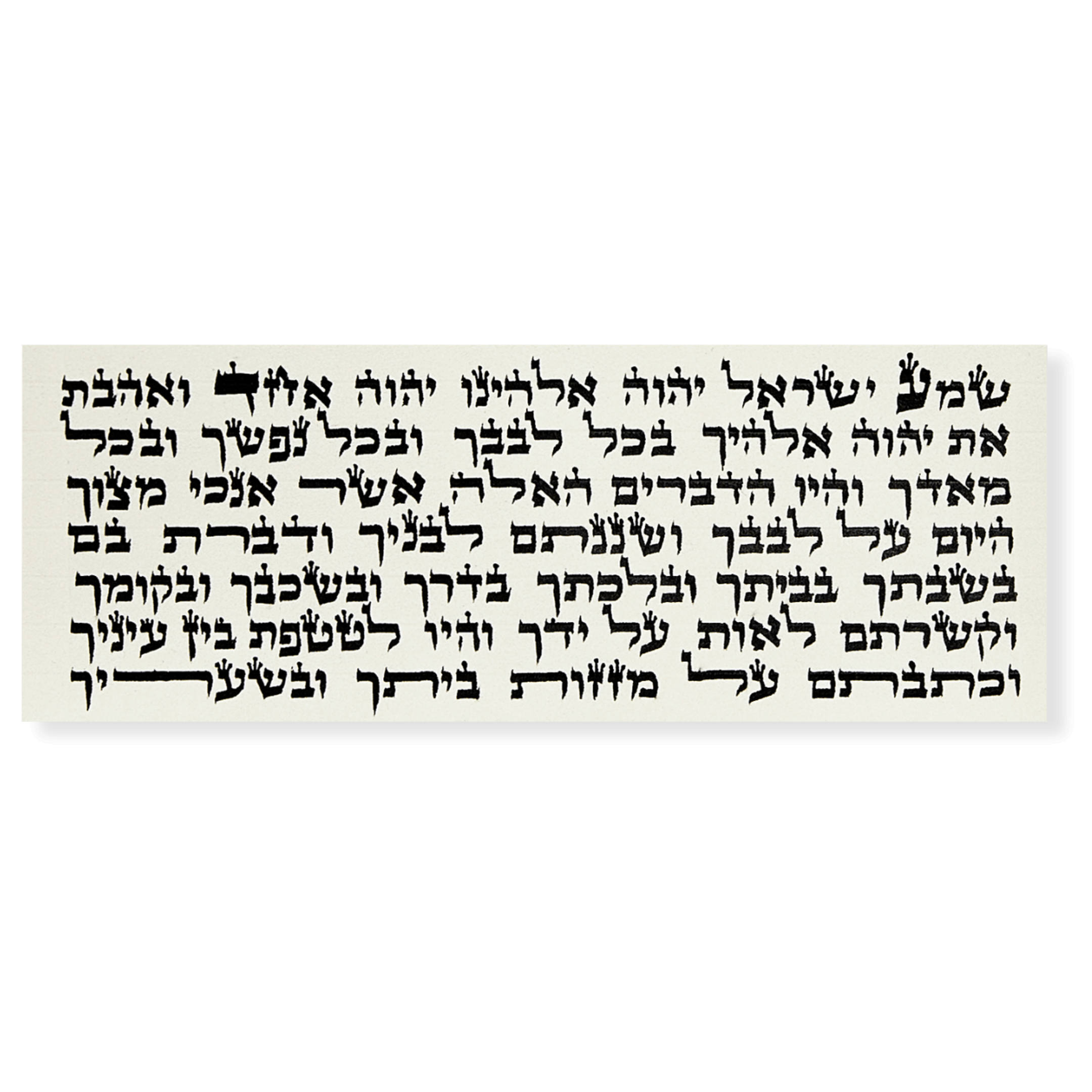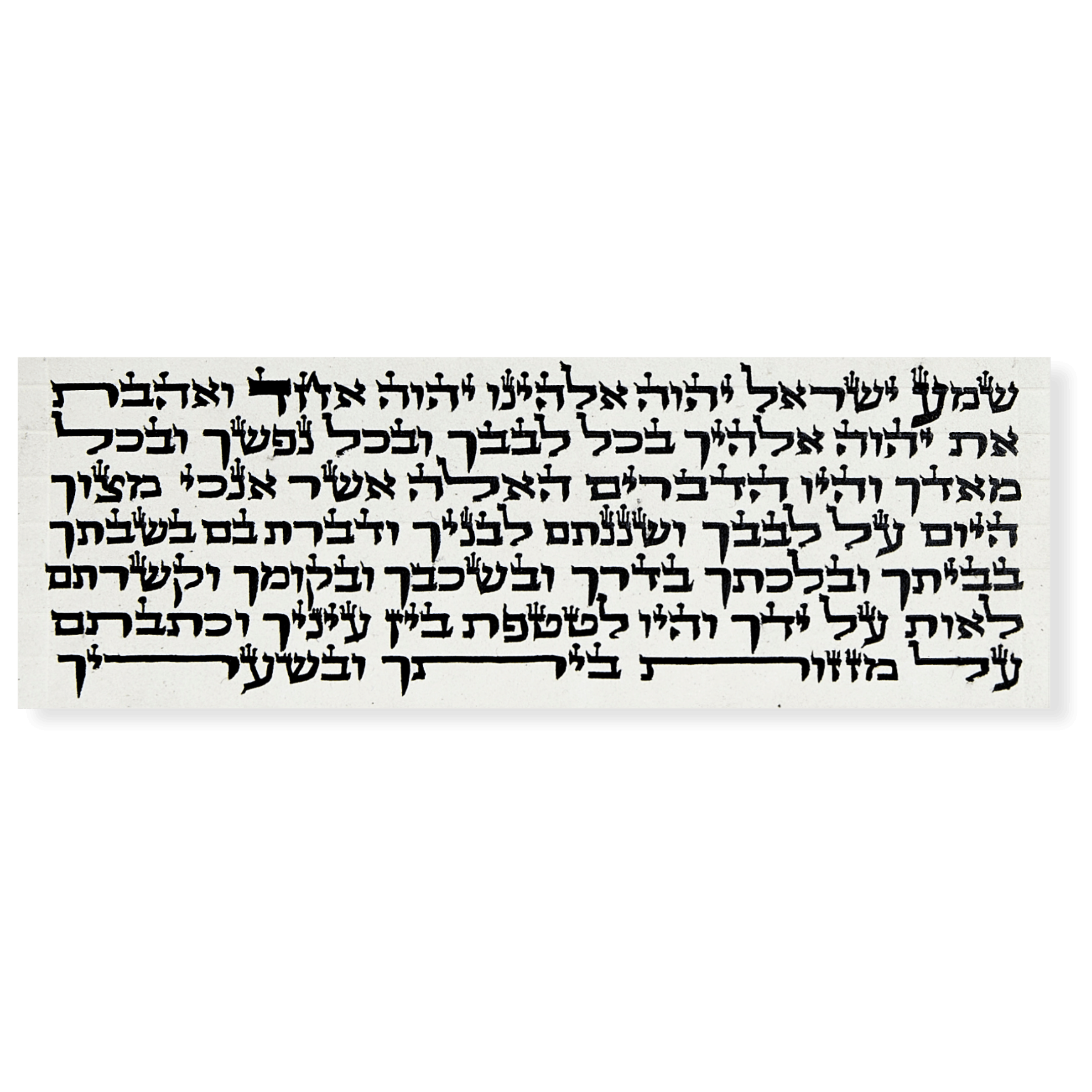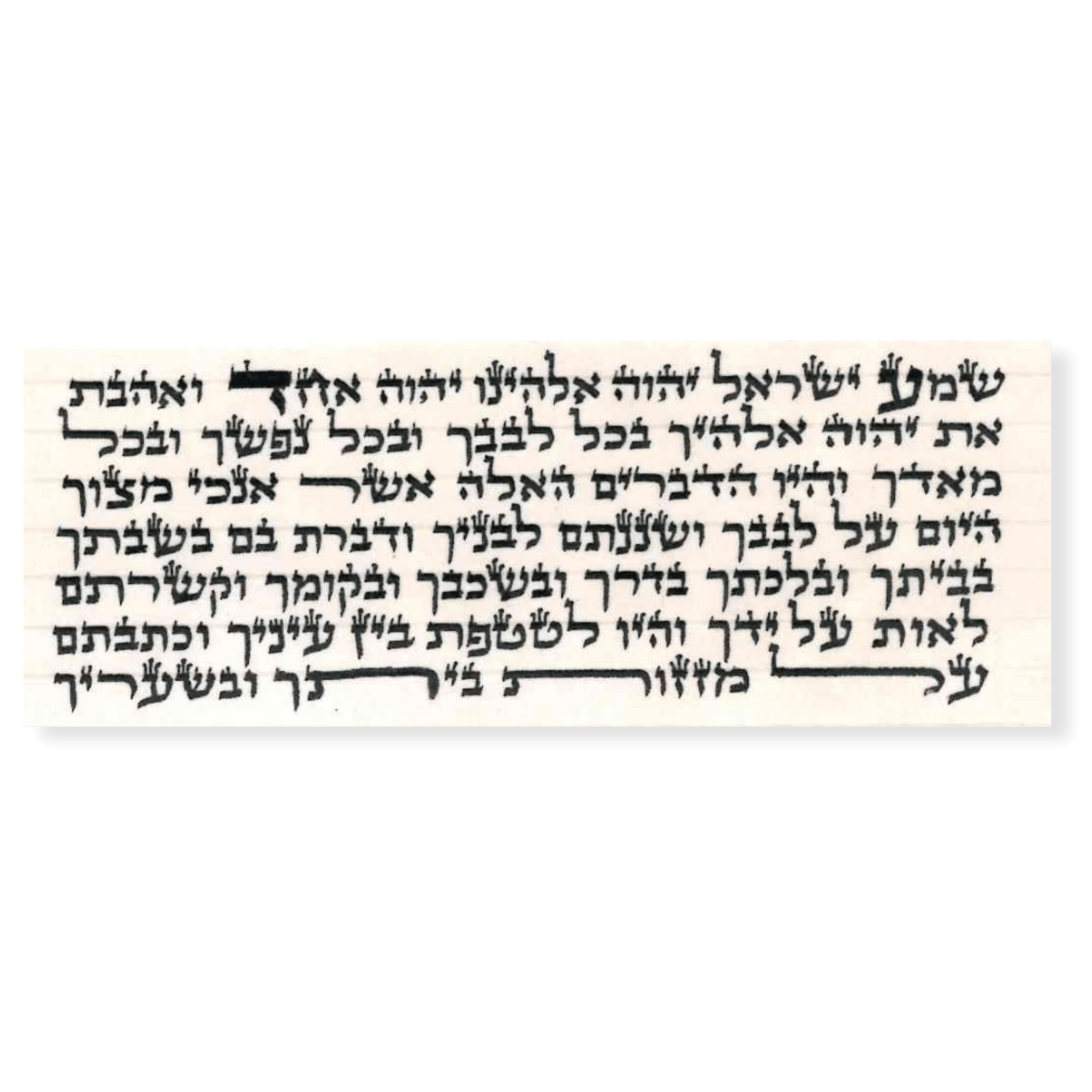
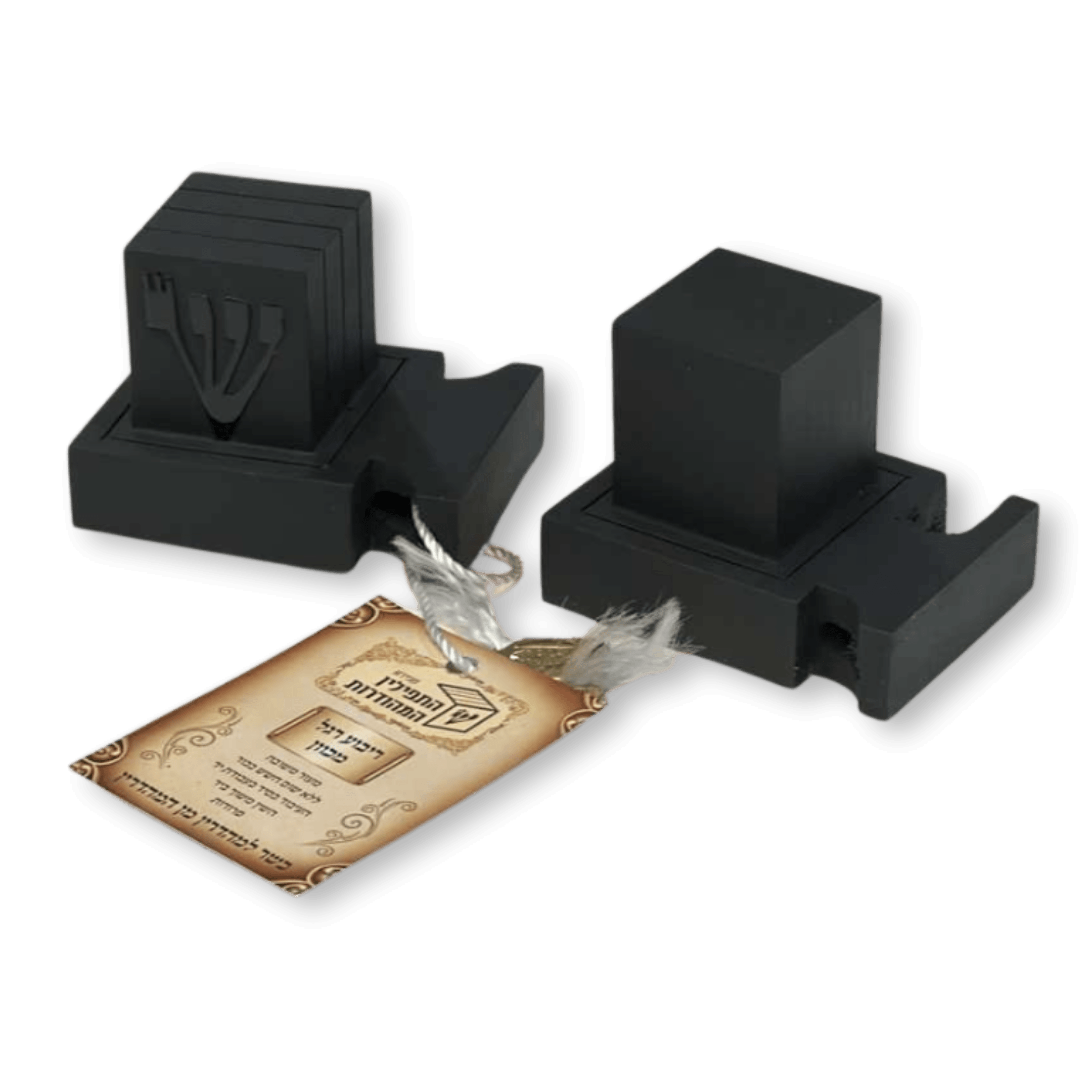
Tefillin Gassot Sefardi (Edot-Hamizrach) – Rashi
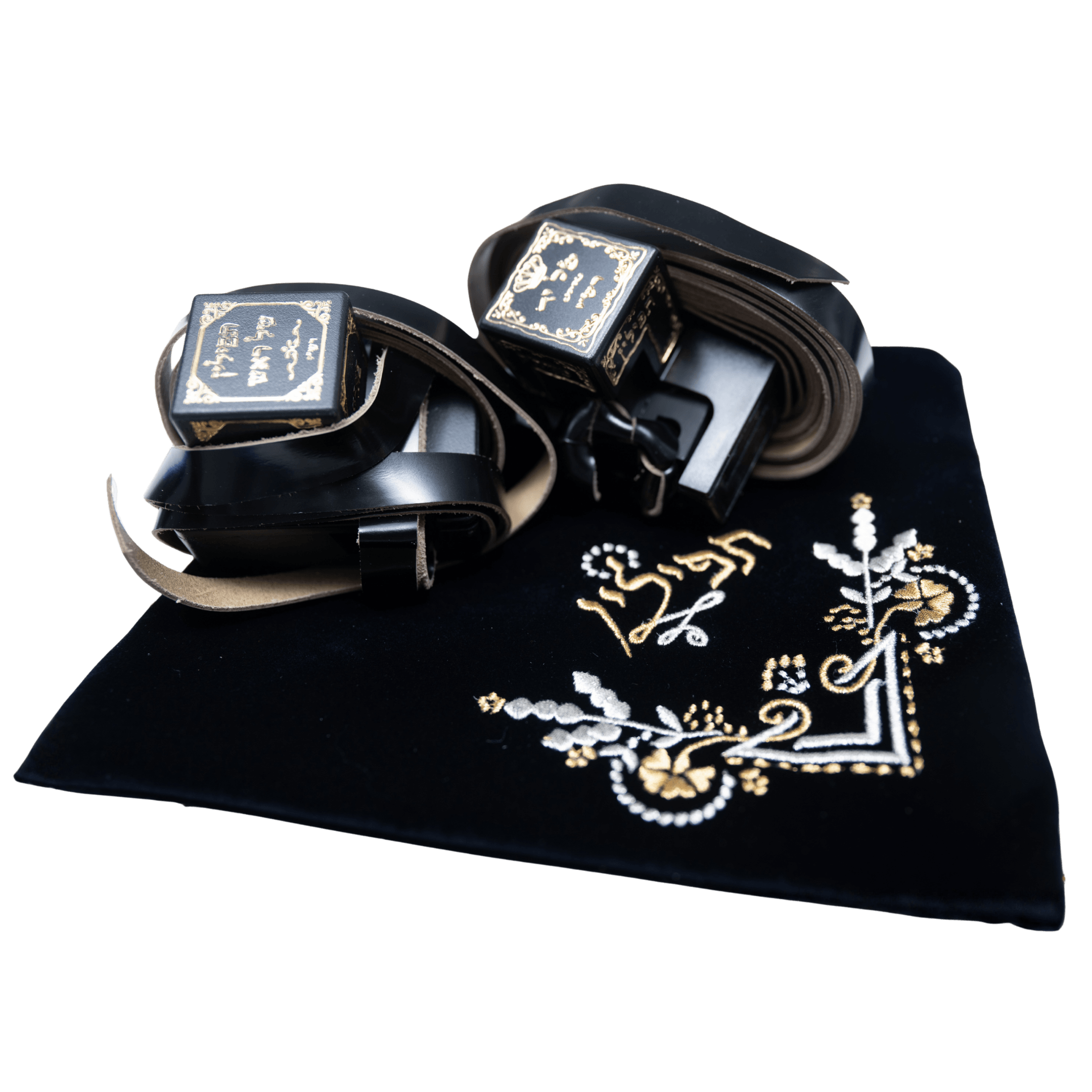
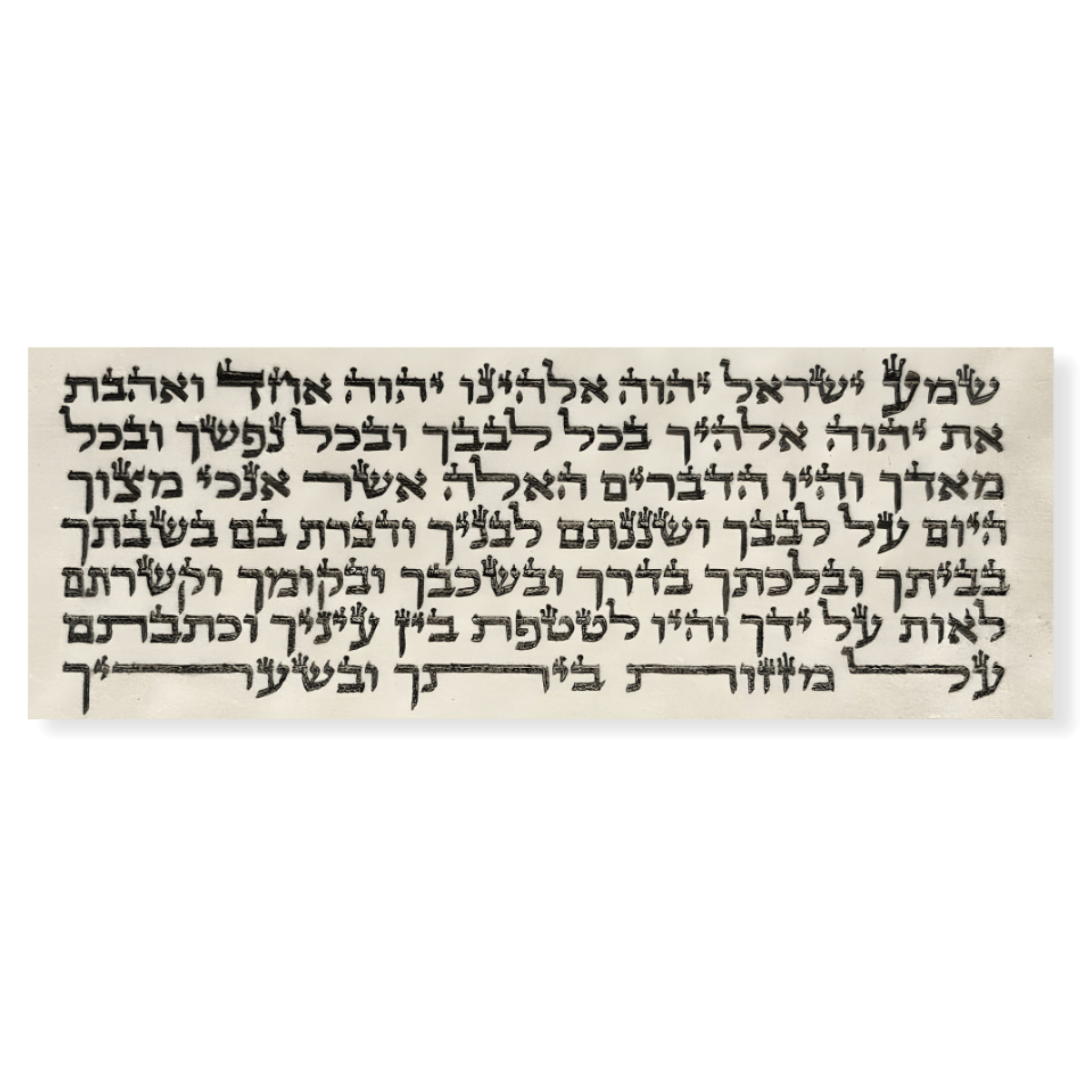
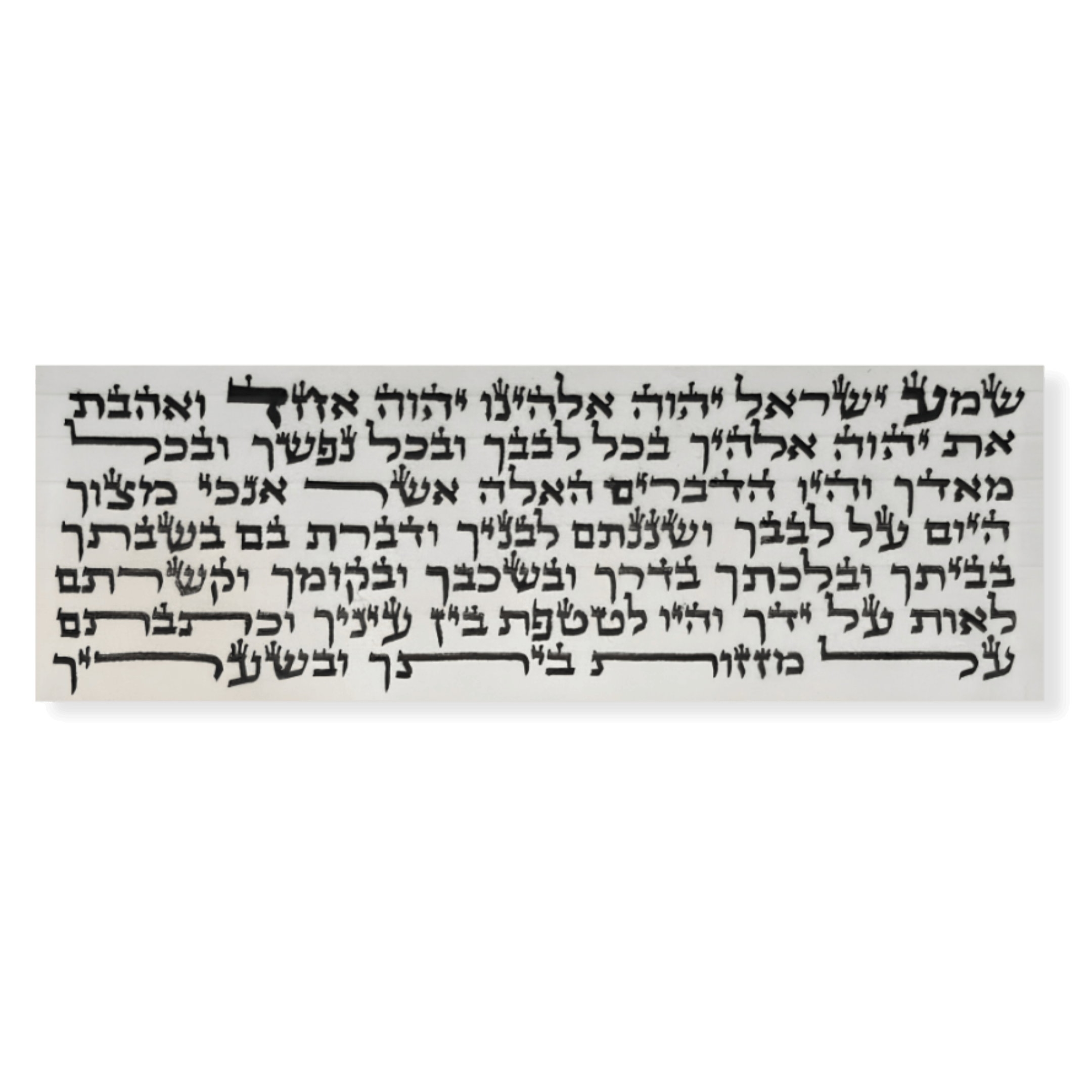
These Tefillin Gassot are specifically crafted for the Sefardi tradition of Edot HaMizrach — the Eastern communities whose customs follow the rulings of Maran Rabbi Yosef Karo as practiced throughout the Sephardic (Edot HaMizrach) world. The ksav (script) of the parshiyot follows the Sephardic tradition, and all halachic requirements specific to Sephardic custom are carefully observed.
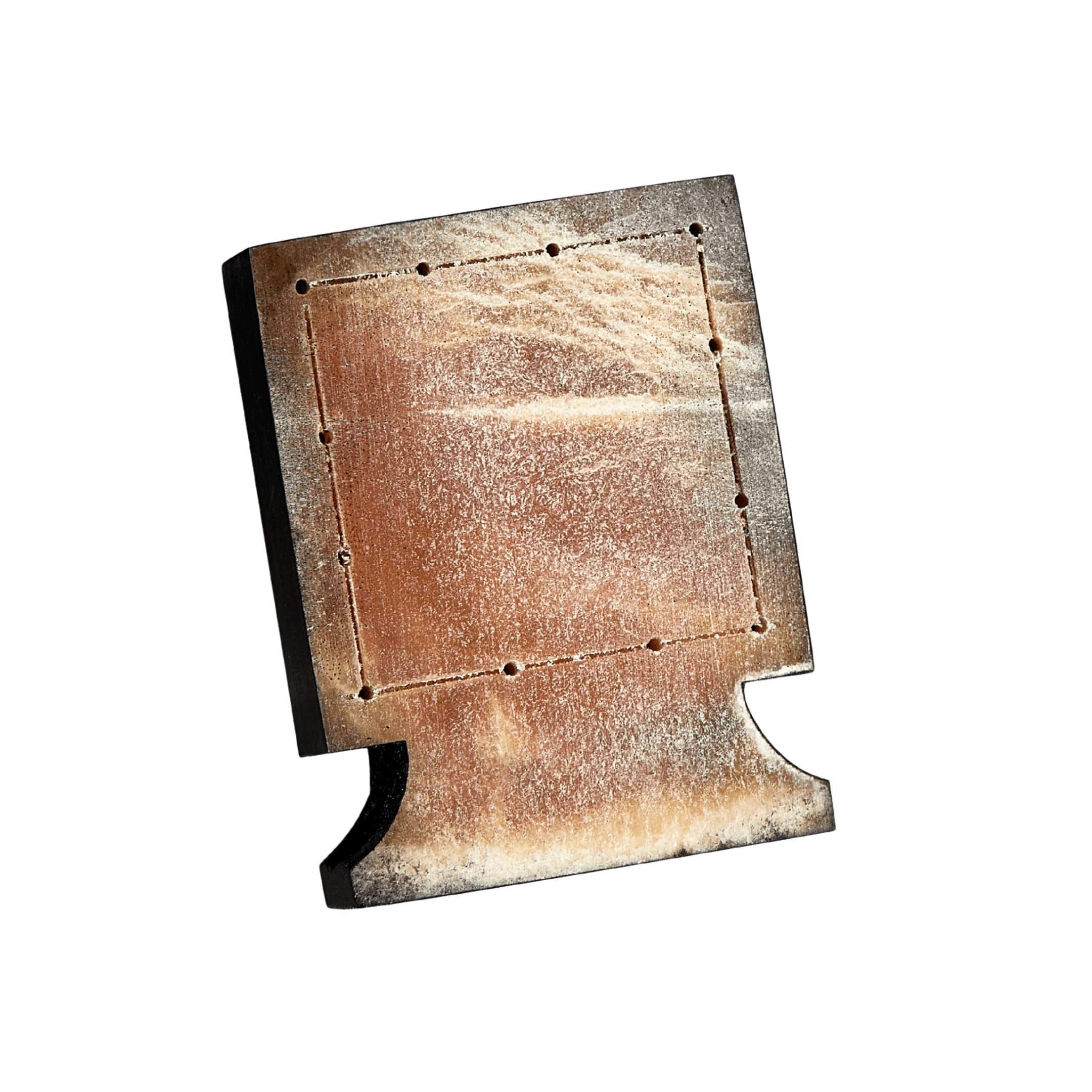
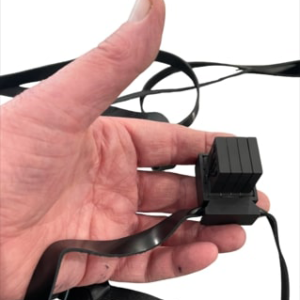
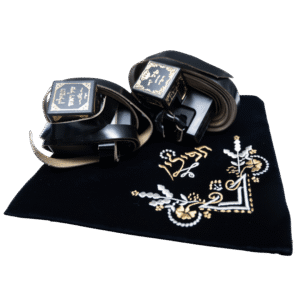
The batim are Gassot — formed from a single thick piece of hide under high pressure, yielding the square shape required by halacha. They are certified by Rabbi Shaul Moshe Klein or Badatz, and the parshiyot are written by expert sofrim in Israel, checked by professional bodkim, and verified through computer scanning (Diyuki Sofrim). Also known as Tefillin Gasot Sefardi, Tefilin Gassot Sefaradi, or תפילין מהודרין ספרדי.
Quality
What is your Dominant Hand?
Knot
Straps
Polished Bottom
Which way do you wrap?
Preview
You Might Like..
Related products
Why Buy From kosher Klaf?
What is Tefillin?
Tefillin, also known as phylacteries, are a set of small black leather boxes containing scrolls of parchment inscribed with verses from the Torah. These verses include the ‘Sh’ma Yisroel’ (“Hear O Israel…”) and other passages from the books of Deuteronomy and Exodus. Tefillin are worn during weekday morning prayers by Jewish men as a commandment from the Torah.
The Tefillin set consists of two parts: the Tefillin shel Yad, which is worn on the arm, and the Tefillin shel Rosh, which is worn on the head. Each box contains four Torah passages, written by a trained scribe with special ink on parchment. These passages remind the wearer of God’s unity, the duty to love and serve God, and the commitment to keep God’s commandments.
The process of creating Tefillin is intricate and requires adherence to numerous halachic details. Any deviation in the writing of even one letter can render the Tefillin invalid. The scribe’s work is inspected by professional examiners and often verified through computer scanning to ensure accuracy.
A Basic Guide on How to Wear Tefillin
- Before putting on Tefillin, make sure your hands are clean.
- Recite the blessing for putting on the Tefillin. The blessing for the Tefillin shel Yad (arm Tefillin) is: “Baruch Atah Adonai, Eloheinu Melech Haolam, Asher Kidshanu B’mitzvotav V’tzivanu L’hani’ach Tefillin.”
- Place the Tefillin shel Yad on your weaker arm (left arm for right-handed individuals, right arm for left-handed individuals).
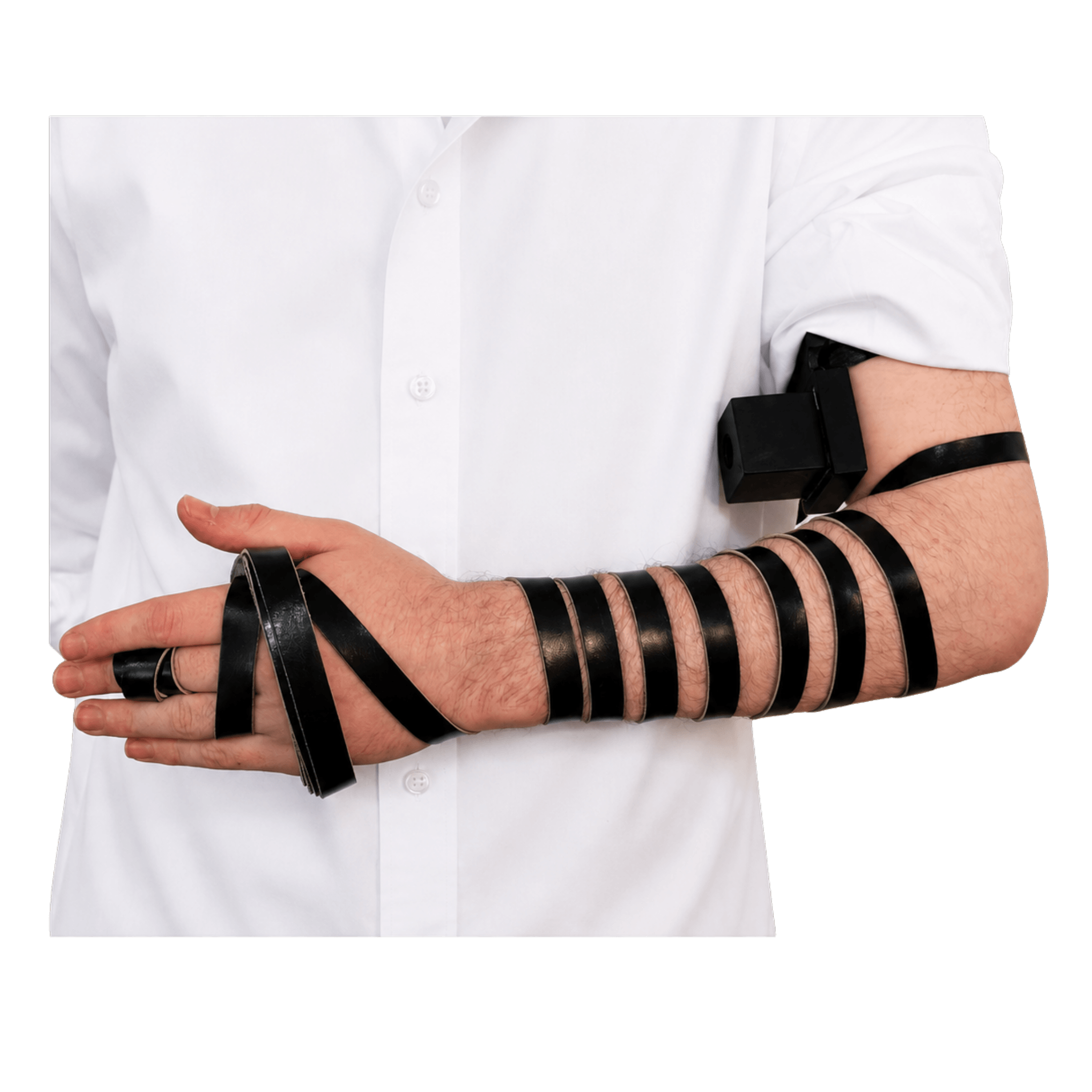
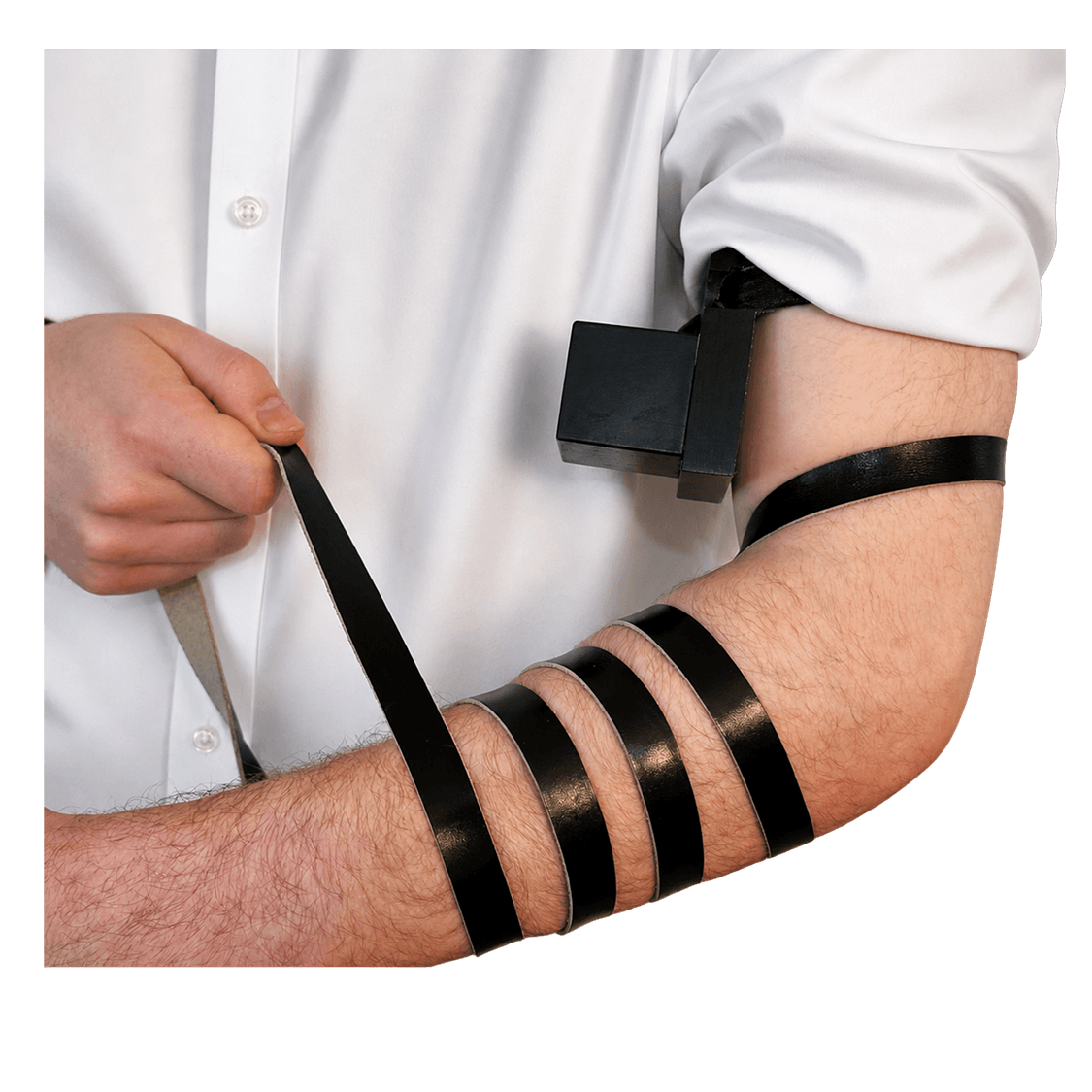
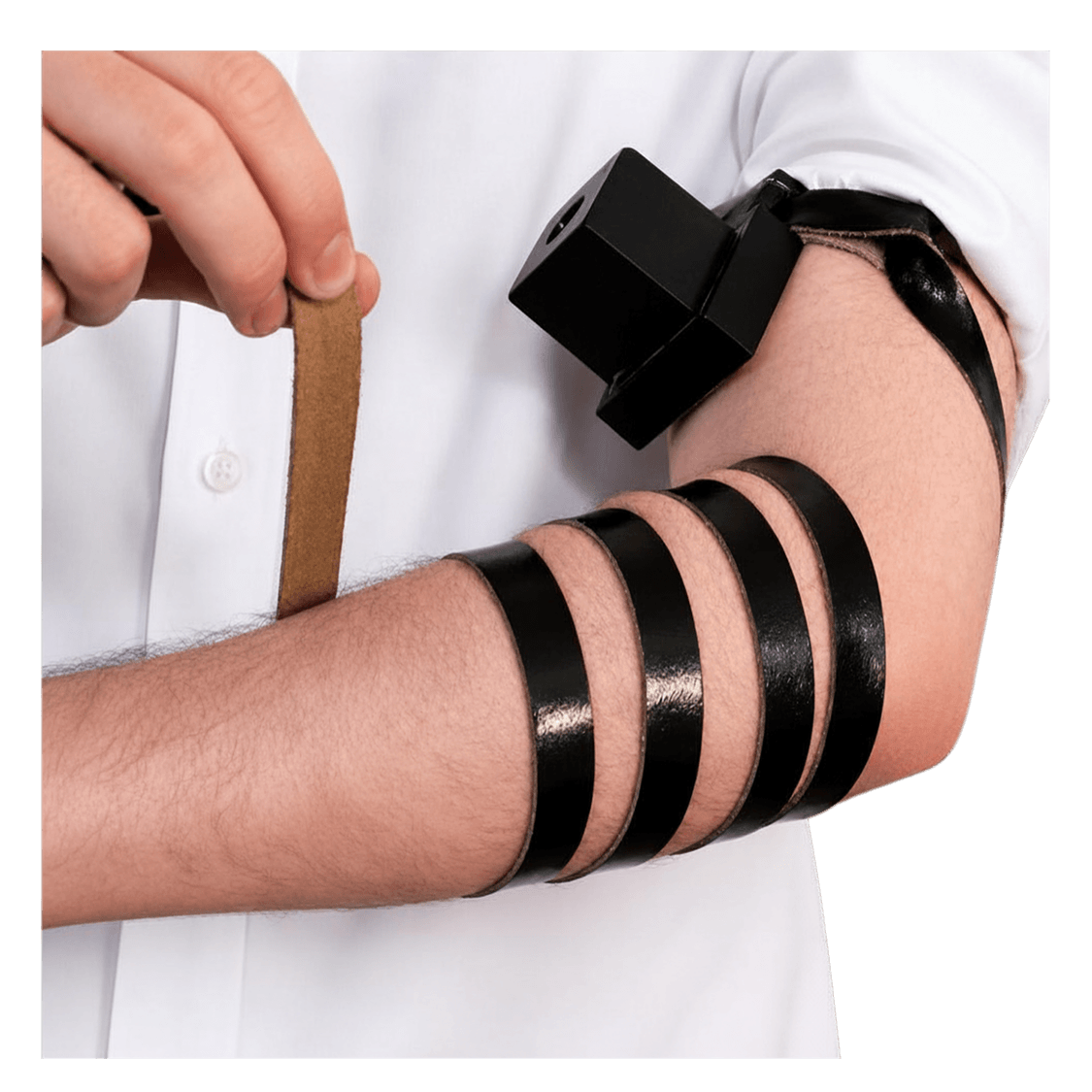
- Position the black leather box (the bayit) on the bicep, just above the midpoint of the upper arm, so that when your arm is bent, the box faces your heart.
- Tighten the strap around your arm to secure the bayit in place.
- Wrap the strap around your arm seven times, moving down toward the hand, ensuring that the strap is snug but not too tight.
- After placing and wrapping the Tefillin shel Yad, recite the following blessing for the Tefillin shel Rosh: “Baruch Atah Adonai, Eloheinu Melech Haolam, Asher Kidshanu B’mitzvotav V’tzivanu Al Mitzvat Tefillin.”
- Some add the phrase “Baruch Shem Kevod Malchuto L’olam Va’ed” after this blessing.
- Place the Tefillin shel Rosh on your head, just above the hairline and centered between your eyes.
- Ensure that the leather box sits snugly and is not tilted to one side.
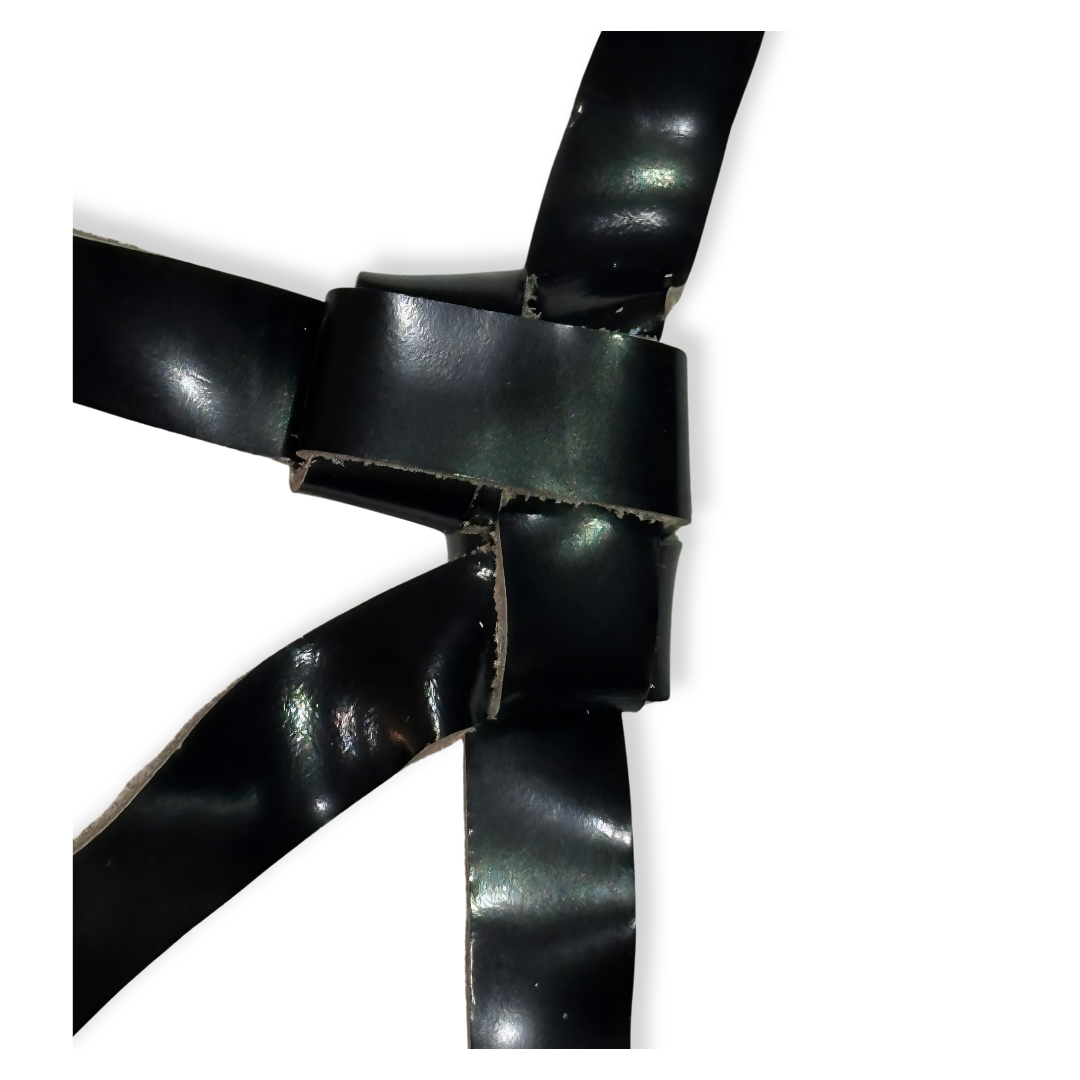
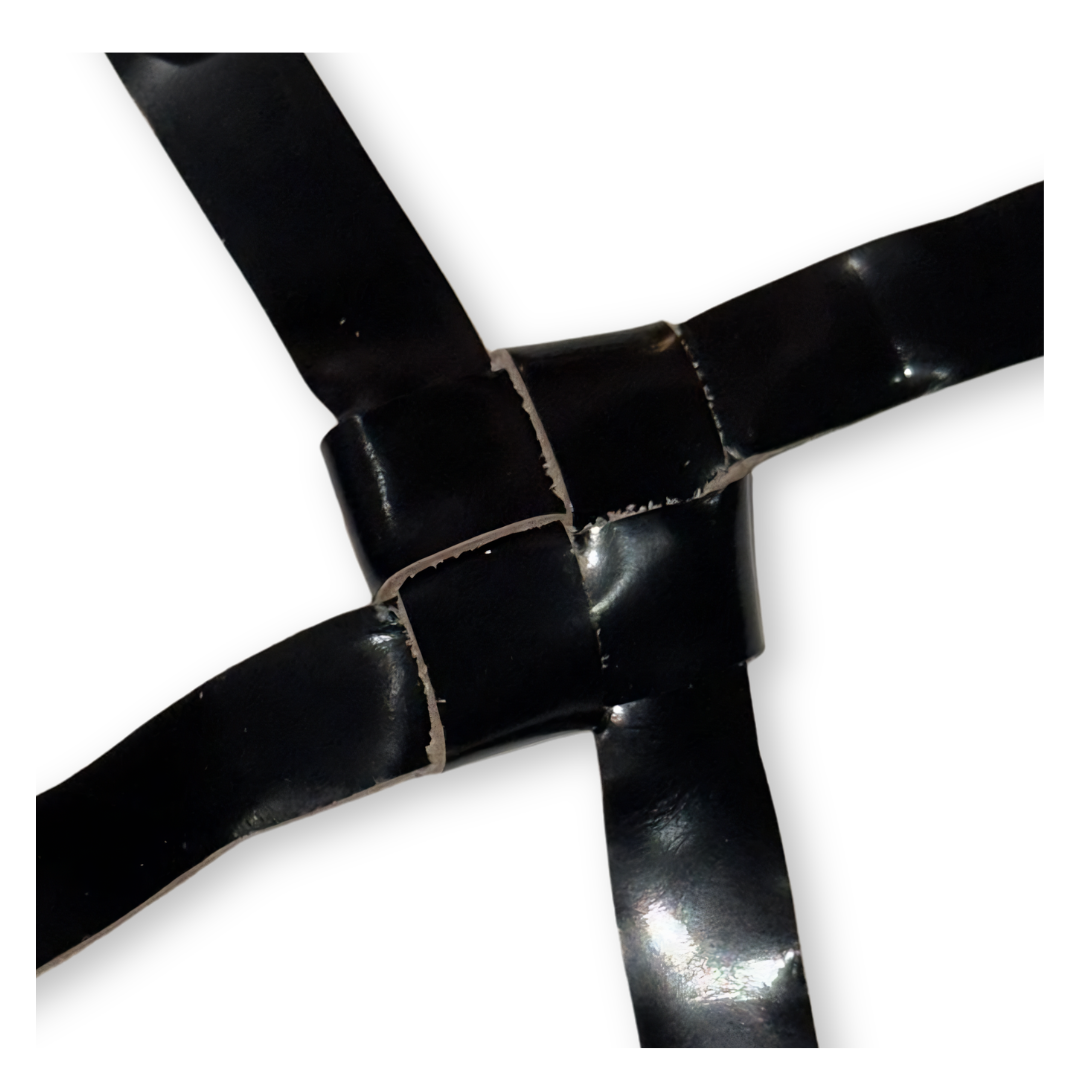
- Allow the straps to hang down evenly on both sides, with the knot at the back of your head resting on the base of your skull.
- Complete the wrapping of the Tefillin shel Yad by wrapping the strap around your hand and fingers. This process involves specific wraps and knots:
- Wrap the strap around your palm once.
- Then wrap it three times around your middle finger, once around the base, once in the middle, and once towards the top.
- Complete the process by wrapping the remaining strap around your palm, securing the end of the strap.
What is Ksav Beis Yosef and why do Ashkenazim use it?
Ksav Beis Yosef (also written Ktav Beit Yosef or Bais Yosef script) is the style of Hebrew calligraphy used for writing the parshiyot in Tefillin according to Ashkenazi tradition. It is named after Rabbi Yosef Karo’s halachic work, the Beis Yosef, and follows the letter shapes described there.
Most Ashkenazi Jews — including those from Germany, Eastern Europe, Western Europe, and their descendants in America and Israel — use this ksav. It is sometimes referred to as Ktav Ashkenazi or Ktav Ashuri Ashkenaz.
What is the difference between Beis Yosef and Ari Zal (Arizal) script for Tefillin?
Both Beis Yosef and Ari Zal (also written Arizal or Ari script) are valid halachic scripts for Tefillin.
Beis Yosef is the traditional Ashkenazi ksav. Ari Zal is a different style of letter formation associated with the Kabbalistic tradition of the Arizal (Rabbi Yitzchak Luria) and is used primarily by Chassidim and those who daven Nusach Sefard.
If you follow Nusach Ashkenaz — as most non-Chassidic Ashkenazi Jews do — Beis Yosef is the correct ksav for your Tefillin.
Can a left-handed person use these Tefillin?
Yes. The product page allows you to select your dominant hand during checkout. For a left-handed person, the Tefillin shel Yad is placed on the right arm (the weaker arm).
There is a halachic discussion around ambidextrous individuals — if you are unsure, our sofer can advise you via WhatsApp.
What is the difference between Ashkenaz and Safard wrapping?
When wrapping the Tefillin shel Yad, there are two customs: Ashkenaz (wrapping toward the body) and Safard/Sephardic (wrapping away from the body).
Despite the name, Safard wrapping is used by many Ashkenazi Jews who follow Chassidic customs (Nusach Sefard), not only by Sephardim.
You can select your wrapping preference during checkout, and our team will set up your Tefillin accordingly.