
Mezuzah Collection
Which Ksav do you need: Ashkenaz, Sefardi, Arizal?
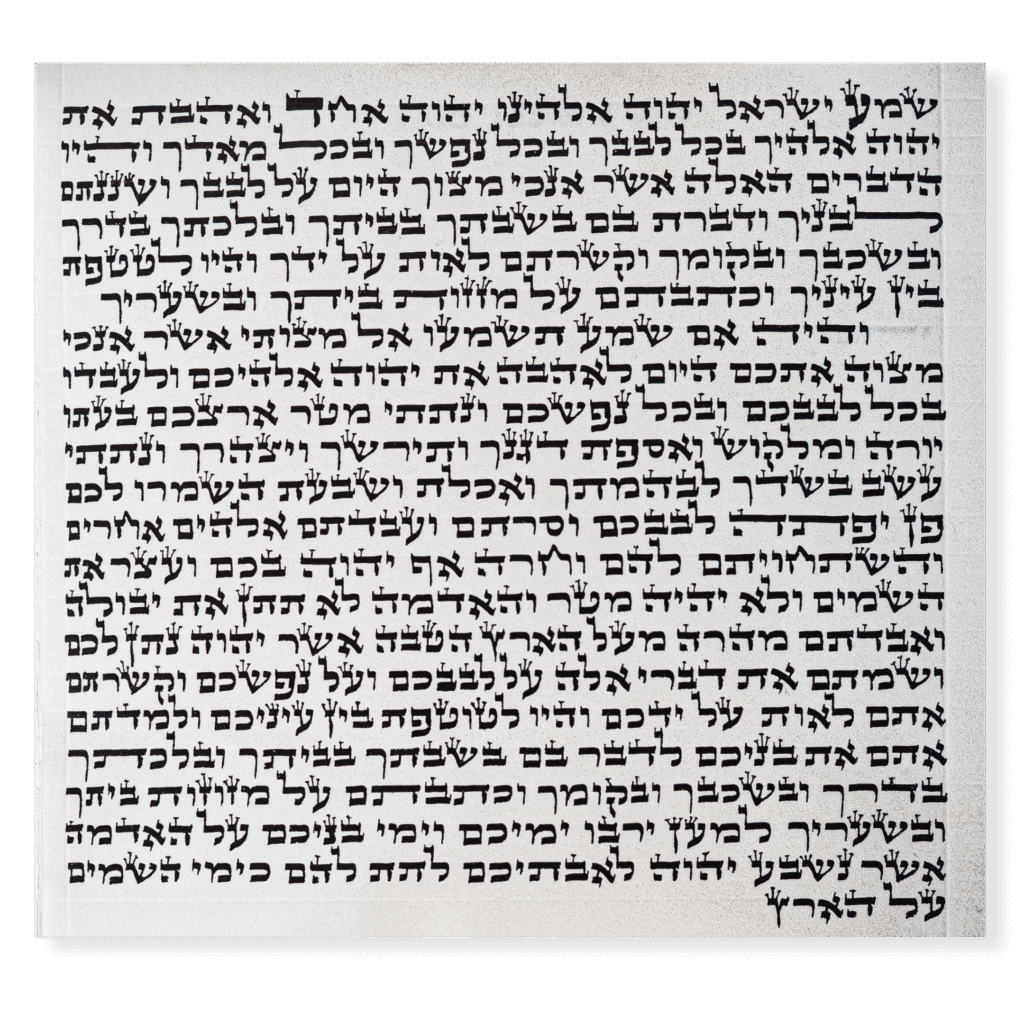
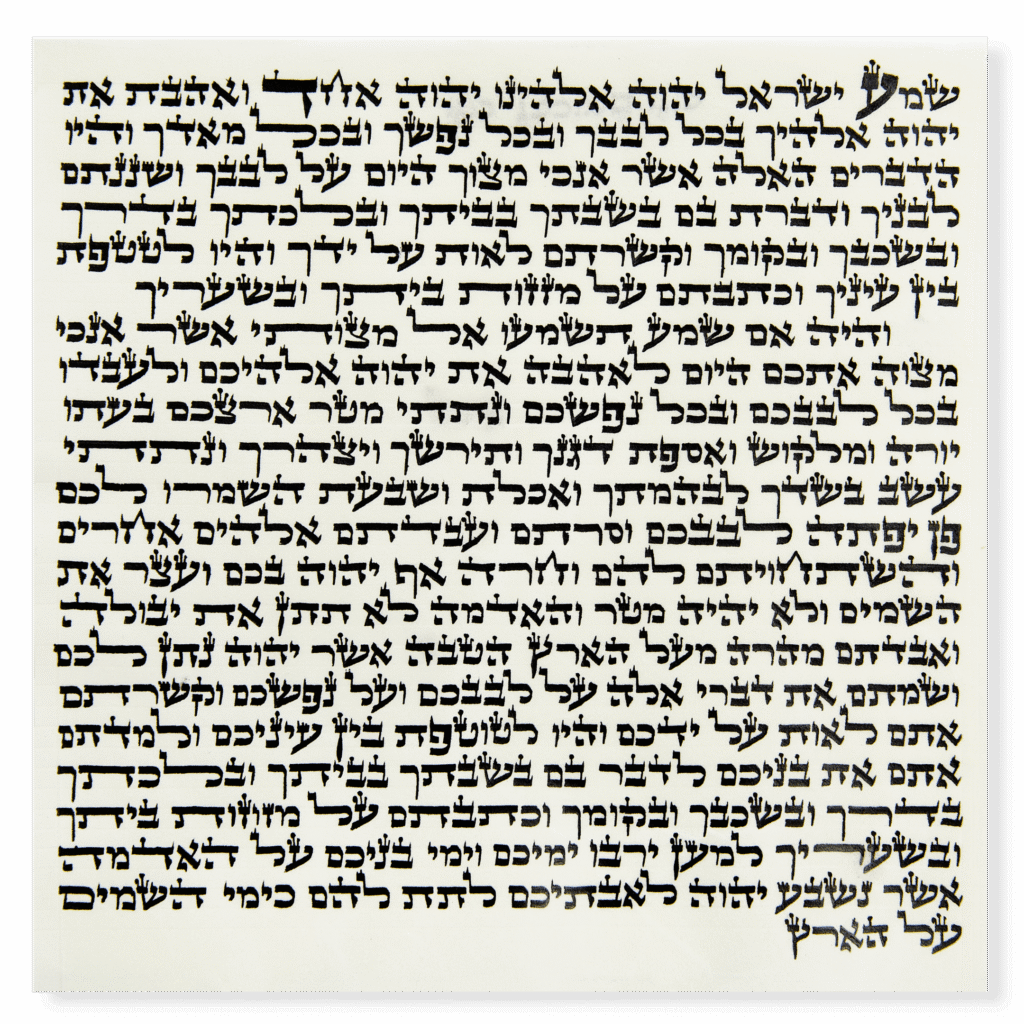
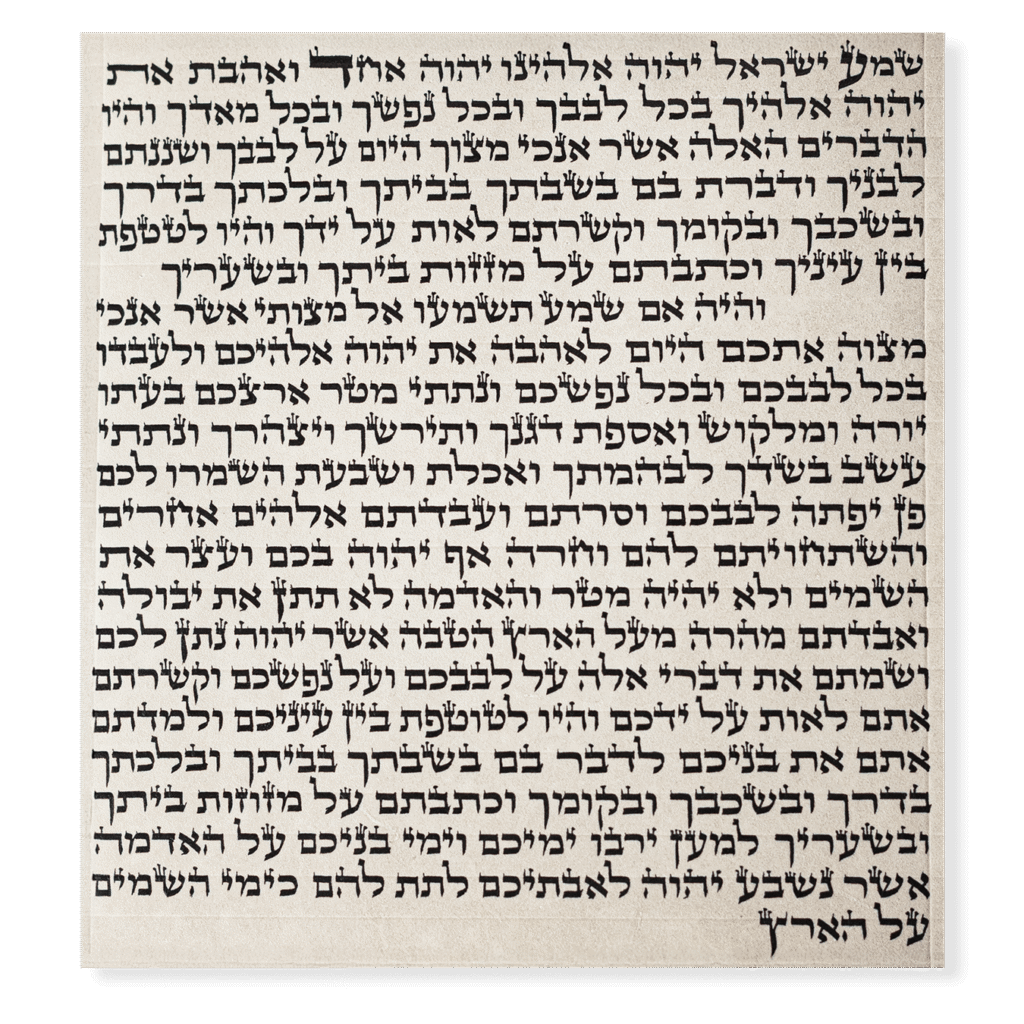
Not sure which tradition is yours?
Our sofrim can help you identify the right ksav. Most questions answered in minutes.
What Is a Mezuzah Klaf?
A mezuzah klaf is a handwritten parchment containing sacred Torah passages, carefully written according to halachic tradition by a qualified sofer STaM.
Whether referred to as a mezuzah, mezuza, mezuzot, or mezuzos, the klaf inside is the essential component of a kosher mezuzah.
Our collection includes:
- Ksav Beis Yosef (Ashkenazi)
- Ksav Arizal (Chassidic)
- Ksav Sefardi / Edot Hamizrach
Each mezuzah klaf is handwritten lishmah and carefully reviewed for clarity, precision, and halachic integrity using both expert inspection and advanced computer checking technology.
A mezuzah is a sacred symbol of Jewish faith, containing a handwritten parchment scroll (klaf) inscribed with Torah verses by a qualified scribe according to strict halachic standards. Our collection offers a curated selection of kosher mezuzah scrolls, including Ashkenazi, Sephardi, and Chasidic styles, crafted with precision and authenticity.
Frequently Asked Questions About Mezuzah Klaf
A mezuzah klaf is the handwritten parchment scroll placed inside a mezuzah case and affixed to the doorway of a Jewish home in fulfillment of the mitzvah of mezuzah. The klaf contains two specific Torah portions — Shema Yisrael and Vehaya Im Shamoa (Devarim 6:4–9 and 11:13–21) — written by hand according to strict halachic requirements by a trained sofer STaM.
The parchment itself must be specially prepared for sacred writing (Lishem Mitzvah), and every letter must be carefully formed using kosher ink and traditional scribal methods. Because the holiness and validity of the mezuzah come from the handwritten text itself, the klaf is considered the essential component of the mezuzah.
Many people use the word “mezuzah” to refer to the decorative outer case attached to the doorpost, but technically the mezuzah refers to the sacred handwritten klaf placed inside the case. The outer case serves primarily to protect the parchment from environmental damage such as moisture, sunlight, and physical wear.
Without a kosher mezuzah klaf written according to halacha, the case itself has no ritual status. While mezuzah cases can vary widely in material and design, the spiritual and halachic significance comes from the handwritten parchment contained within.
Lishmah means “for its intended holy purpose.” In the context of writing a mezuzah klaf, it means the sofer must write the parchment with conscious intent that it is being created specifically for the mitzvah of mezuzah.
This requirement is a central part of the halachic process of writing STaM (Sifrei Torah, Tefillin, and Mezuzot). The preparation of the parchment, the writing itself, and even certain stages of the production process must be performed with proper intent and awareness of the holiness of the text. A mezuzah written without lishmah may not be considered kosher according to halachic standards.
Ksav Beis Yosef (also spelled Beit Yosef or Bais Yosef) is a traditional Ashkenazi style of STaM writing used for mezuzot, tefillin, and sifrei Torah. The script follows detailed halachic conventions governing the shape, spacing, and formation of Hebrew letters and is named after the halachic rulings associated with Rabbi Yosef Karo’s Beit Yosef.
This style is commonly used throughout many Orthodox Ashkenazi communities and is recognised for its precise and structured letter formations. Because STaM writing traditions are highly specialised, even subtle differences in lettering styles can reflect longstanding communal customs and halachic traditions.
Ksav Arizal is based on the traditions of the Ari Zal (Rabbi Isaac Luria) and is widely used among many Chassidic communities, while Ksav Beis Yosef is considered the standard Ashkenazi script in many non-Chassidic communities.
Both scripts follow halachic requirements for kosher STaM writing, but they differ in certain stylistic details, including the shape and ornamentation of specific letters. These distinctions developed through centuries of scribal tradition and communal practice. In many cases, individuals choose the script that aligns with their family minhag, synagogue tradition, or community custom.
Under normal conditions, mezuzot are traditionally checked twice every seven years to ensure the klaf remains kosher and that the letters are still complete and legible. Over time, environmental conditions such as heat, humidity, sunlight, and moisture can cause ink to crack, fade, or deteriorate.
Outdoor mezuzot or mezuzot placed in areas exposed to fluctuating temperatures may require more frequent inspection because the parchment can experience additional wear. During a mezuzah check, a qualified sofer or STaM expert examines the parchment carefully for missing letters, cracks, smudges, or other issues that could affect halachic validity.
The ktav used for each item is listed in the product details. Beis Yosef is generally used by Ashkenazim, Ari is commonly used by Chassidim and others who follow the Arizal, and Vellish is generally used by Sephardim. If you have a family or community minhag, we recommend following it. If you are unsure which ktav is right for you, contact us and we will be happy to help.
Yes. We believe you should know what you are buying. Every listing includes a photo representative of the approximate quality level, and our Quality Guide details the halachic and workmanship differences between each level.
For tefillin, we also provide detailed information about the battim and retzuos, including their certifications and relevant chumros. All STaM is inspected twice in addition to computer scanning.
If you would like more information about a specific sofer, the klaf, or want to see live photos of the actual item before purchasing, reach out to us on WhatsApp and we’ll be happy to provide them.
Also in Our Mezuzah Collection
Ready to order your mezuzah?
All scrolls handwritten and verified — ships within 24 hours.